Functional Areas
Currently, the university’s administrative services span multiple systems across our global campuses, with different groups using different tools and processes to accomplish the same tasks. To realize the vision of having seamlessly integrated systems across our campuses, Cornell needs to build a solid foundation that is as common as possible and as different as absolutely necessary.
To achieve this type of foundation, teams of Cornell community members and leaders with expertise in critical functional areas are focused on the processes, policies, and technology solutions supporting six workstreams aligned with targeted areas. Use a campus login to access the team pages for details.
1. Workday Administrative System
Selected as the university’s core administrative system, the Workday aspect of CEMI will streamline and facilitate better workflows for Cornell community members with responsibilities including budget, finance, and human resources. To distinguish between the vendor’s HR solution in place on the Ithaca campus, the new university-wide administrative solution is sometimes referred to as Workday Administrative System, or within the program teams, as Workday Enterprise Resource Planning (ERP).
Budget
Cornell’s budget professionals create and manage a structured financial planning process that encompasses both operating and capital budgets. The Budget team helps drive many of the university’s most significant financial, staffing, and foundational model initiatives, while representing budget interests across all campuses. This team will support Cornell’s move towards a unified budget tool throughout the transition to the university-wide Workday Administrative System.
Finance
Everyone who gets paid, purchases course materials, manages a budget, conducts research, or travels on business on behalf of the university is impacted by its finance processes, policies, and systems. Although modernizing the university’s finance functions include implementing current and future-ready technology, much of the Finance team’s time is spent thinking about how community members will interact with this technology and how processes and policies are similar or different across the colleges, schools, and campuses.
Human Resources
The Human Resources team blends the unique approaches and needs of the university’s multiple locations. They are working to modernize human resources systems and processes to support the management and development of Cornell’s workforce. It spans multiple areas including, but not limited to, recruiting and staffing, compensation and benefits, time tracking and administration, payroll, talent management, and workforce planning.
Source to Pay
Source to Pay covers the entire procurement process—from finding suppliers and managing contracts to purchasing and paying. Although procurement is a key part of the workflow, connecting those transactions with strategic steps like supplier selection and contract management is part of the overall goal for CEMI. The Workday tools will support this end-to-end process, giving everyone involved greater visibility while improving compliance and efficiency.
2. Data & Analytics
The Data & Analytics team is laying the foundation for a more cohesive alignment of previously decentralized systems and collections of information. Establishing a shared data language and understanding across all Cornell units ensures consistency and clarity in how data is interpreted and used, and better enables seamless collaboration for future data flows. With the newly aligned data, subsequent analyses will inspire greater confidence in the university-wide decisions they are used to make and support.
3. Donor and Engagement Experience
Spanning campuses and infrastructures, the Donor and Engagement Experience team is collaborating to build a platform capable of providing advanced data capabilities and a modern tool set to improve the experience of everyone who uses these systems across Cornell. Engaging our audiences more efficiently and effectively will help drive engagement and fundraising outcomes in support of Cornell’s most urgent needs. The new technology system is Kindsight Ascend, and its data, workflows, automations, and reporting can all run on an underlying Salesforce platform.
4. Research Administration
Research Administration post-award processes keep projects on track. This CEMI workstream focuses on unifing these research administration functions across Cornell.
5. Student Services
From the moment a student joins Cornell, the university is tasked with tracking their information and progress using a multitude of systems to manage student records, financial aid, coursework, billing, and everything in between. Students touch dozens of systems meant to help them be successful, but these technologies can oftentimes prove cumbersome. The Student Services team will identify and implement technical solutions and processes to alleviate these pain points and improve each student’s journey to graduation across all Cornell campuses.
CEMI’s Six Focus Areas or Workstreams

Achieving a seamless digital environment across Cornell will require coordinated progress on six interdependent initiatives — like building all six legs while simultaneously raising the table.
Shaped by the Cornell Community: Get Involved
Contribute your skills and experience to the Cornell Experience Modernization Initiative (CEMI). Community members know the current processes and systems best—and what it’s going to take to change how we do things.
Get involved: ask a question, suggest improvements, add your insights to a CEMI effort, volunteer for an activity, or join the mailing list.
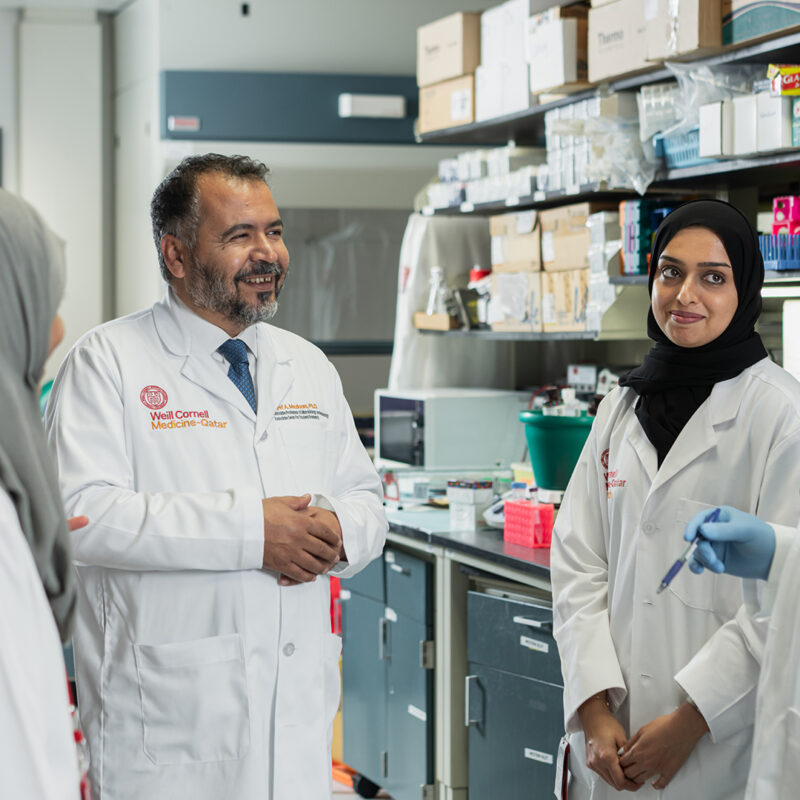
Visit the Program Teams page to meet more of the Cornell community members shaping the CEMI program.
6. Technical
Modernization efforts throughout the CEMI program are powered by a team working across every function—the Technical team. While each CEMI functional area includes its own technical experts and stakeholders, the Technical team operates across all domains and brings unified perspective to modernization. Their work focuses on designing and enhancing the foundational architectures and platforms that support not only CEMI, but also parallel and future initiatives across the university. By deeply engaging in shared infrastructure and system design, the Technical team in CEMI ensures modernization efforts are cohesive rather than siloed. Their contributions are enabling scalable systems, improving data reliability, and building the technical backbone for a more integrated, efficient, and future-ready Cornell.
Application Development
Working in tandem with the Gap Apps team, the Application Development design team was established to define the platforms strategy for Workday-supporting applications.
Application Security
This design team focuses on security strategy and guidelines for Workday and its connected systems or integrations that manage finance and human resources data.
Application Testing
This design team focuses on application testing in the Workday Administrative System.
Enterprise Engagement Platform
Formerly called Customer Relationship Management, this design team has finalized an expanded Salesforce agreement and will ensure the long-term Salesforce vision continues to be driven by Cornell’s foundational pillars.
Gap Apps
This design team is not only collaborating across campuses and units to evaluate gap applications, they also launched a pain point accelerator to prioritize problems with the current admininstrative solutions and processes.
Identity and Access Management
This design team is building a new backbone for Cornell’s digital identity infrastructure.
Information Technology Service Management
Formed to support and provide standardization in the communications and processes associated with CEMI-related service changes, introductions and retirements, the IT Service Managment (ITSM) design team also works closely with the Project Management design team.
Integration Platform Strategy
This team will work to ensure the university’s administrative systems connect and share information during the transition, so that the new Workday Administrative System and its related solutions will achieve the goals of CEMI and Resilient Cornell.
Project Management
Formed to compare and advance the alignment of Project Management Office (PMO) practices across Ithaca and Weill Cornell Medicine, this working group also partners with project managers across the CEMI program.