
CEMI News & Momentum Stories
The Cornell Enterprise Modernization Initiative (CEMI) continues to build momentum, with 10 new positions now available across specialty areas including data and analytics, cloud and integration engineering, cybersecurity, Salesforce administration and development, project management, and organizational change management.
These openings include remote roles and positions based in both Ithaca and New York City, giving prospective candidates flexibility to pursue a new role while balancing personal, family, and location preferences.
Many positions are two- or three-year term appointments aligned with specific CEMI projects. Depending on your goals and circumstances, these roles may offer opportunities to develop new skills, gain experience in a different area, or work in a new location for a set period.
Deciding whether a term appointment is the right move is personal, shaped by career goals, family circumstances, and an individual’s appetite for risk.
Considering a Term Appointment
Term appointments can open doors to new experiences and skill development, but they also require weighing factors such as job stability, career goals, and personal circumstances.

Technical Communicator Carlyn Chatfield understands that the decision can be both exciting and complex.
“Earlier in my career, I had back-to-back opportunities to take on short-term assignments supporting a major modernization program,” Chatfield said.
The first decision was easy: a two-year business analyst assignment supporting the rollout of a new enterprise resource planning (ERP) system. This role provided valuable technical training, expanded her professional network, and offered hands-on experience with a large-scale technology transformation.
When that assignment ended, she faced a tougher choice: accept a three-month systems administration role while leaders sought funding for a permanent position, or pursue one of two permanent openings elsewhere on campus.
“Turning down the three-month role was difficult,” Chatfield said. “The work aligned with the skills I had developed, and it offered a promising career path. But there was no guarantee the position would become permanent.”
Ultimately, she chose a permanent web editor position in the IT department.
“That was in 2003, and it turned out to be the best career decision I made before coming to Cornell,” she said.
Looking back, Chatfield sees value in both experiences. One provided new skills, experiences, and professional connections; the other offered stability and led to unexpected career growth in a different direction.
“The right choice depends on your goals, your circumstances, and where you want your career to go next,” she said.
Interested in Exploring Opportunities?
If you are interested in learning more about current openings, visit the CEMI Opportunities page for the latest positions and updates.

As implementation across the DEEP Epics moves forward, we are pleased to welcome new talent to our project team. Please join us in welcoming Mark, Tornubari, and Rebekah!

Mark Whalen – Senior IT Project Manager
- Role & Focus: Mark will lead critical technology initiatives and project delivery for the DEEP program as we implement Kindsight Ascend, helping ensure successful adoption and operational excellence across AA&D and Weill Cornell Medicine.
- Background: Mark brings over 20 years of experience in enterprise technology leadership and large digital transformation programs including complex Salesforce ecosystems. Most recently, he served as Business Applications Manager at the Center for Ecotechnology, directing multi-system business implementations. He holds PMP, CSM, and ITILV4 Foundation certifications.
- Approach: Mark focuses on strategic alignment, cross-functional collaboration, and disciplined project execution to translate complex technology investments into clear, quantifiable business value.
- Personal Note: Mark is excited to join Cornell’s mission-driven community and to contribute to the success of the DEEP initiative.

Tornubari Koboo – Salesforce/Kindsight Ascend Administrator
- Role & Focus: Tornubari will manage platform configurations, data quality, user security and access, and reporting, serving as a key bridge between technical teams and functional business partners.
- Background: Joining the Enterprise Salesforce team and DEEP project, Tornubari brings deep hands-on expertise in Kindsight Ascend and the Salesforce ecosystem. In his previous role at Morehouse College supporting institutional advancement, he built Experience Cloud giving portals, automated Marketing Cloud donor journeys, and managed legacy system migrations. He is 7x Salesforce certified (including Platform Administrator I & II, Business Analyst, App Builder, and AI Associate).
- Personal Note: Based in Atlanta, Georgia with his family and goldendoodle Chance, Tornubari enjoys movies, sports, and staying active.
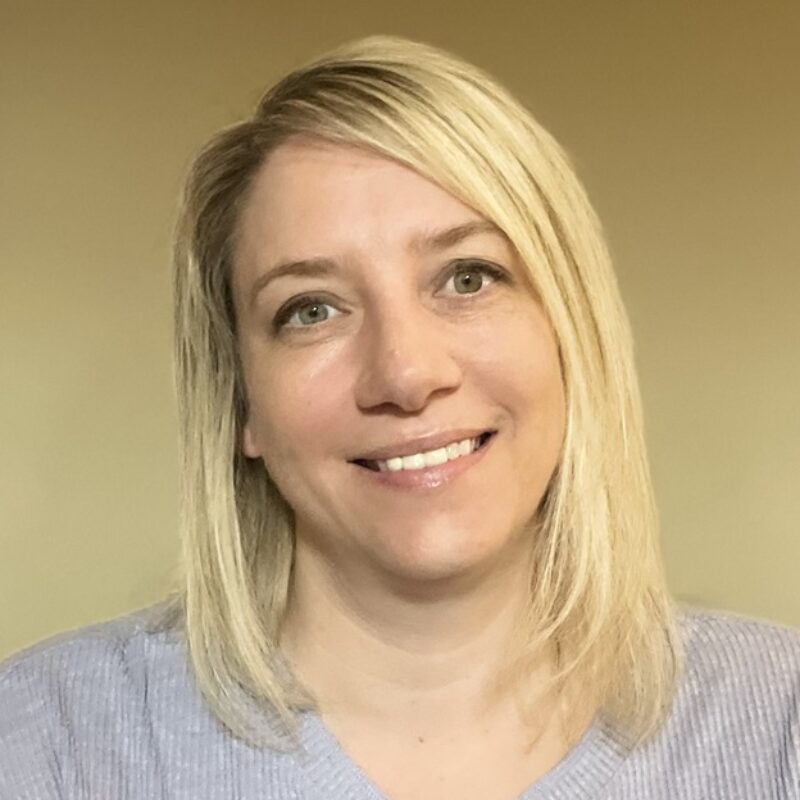
Rebekah Lilly – Senior Salesforce Administrator & Developer
- Role & Focus: Rebekah focuses on strategic technical architecture, custom development, and system integrations, partnering closely with the technical and Kindsight Ascend teams to create scalable, efficient business solutions.
- Background: Rebekah brings 30 years of experience in software design, development, and systems analysis. Her career includes extensive consulting and solutions architecture experience optimizing business processes, analytics, and operational workflows. A dedicated continuous learner, she has earned architect-level credentials in the Salesforce ecosystem, including Platform Developer II (PD II) certification.
- Personal Note: Outside of work, Rebekah enjoys reading, hiking, and cross-stitching, and is always looking for new challenges and opportunities to grow.

When most people think about a service, they often think of a website, application, or support desk.
In reality, services are much broader than the technology that supports them. A service includes the people, processes, information, policies, and tools that work together to help someone accomplish a goal.
At Cornell, examples include registering for classes, receiving a paycheck, accessing research resources, connecting to Wi-Fi, or getting help with a technical issue. While technology plays an important role, each of these experiences depends on many different components working together behind the scenes.
“When customers use a service, they are focused on achieving an outcome,” said Alysia Villanti, Program Manager for Information Technology Service Management. “They typically don’t think about which technology is involved or which department owns a particular process. They simply want the service to work.”
For example, when a student registers for classes, the experience depends on much more than a registration application. Policies, data, integrations, support resources, and operational processes all contribute to the overall service. A problem with any of those components can affect the student’s experience.
Understanding services from this broader perspective is an important part of the Service Management workstream within the Cornell Experience Modernization Initiative (CEMI).
As Cornell prepares for Workday and other modernized administrative capabilities, the Service Management team is examining how services are delivered and supported across organizational boundaries. Looking beyond individual technologies helps service providers identify opportunities to improve coordination, clarify responsibilities, and better support customers.
This customer-centered approach encourages organizations to focus on outcomes rather than systems alone. By understanding services as complete experiences, Cornell can strengthen collaboration among service providers and help create a more seamless experience for students, faculty, and staff.
The vision remains the same: Any Customer, Any Service, One Experience.
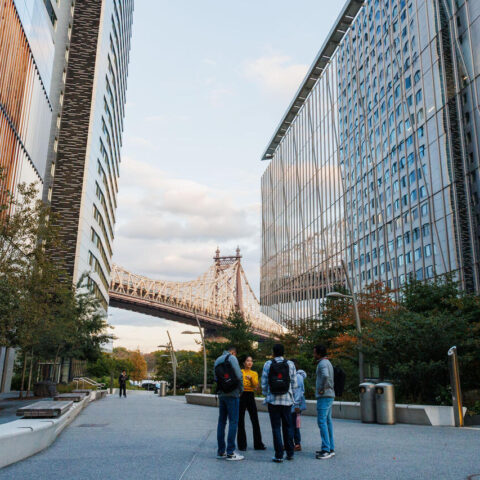
“Although we work in information technology, we’re really not in the technology business, we’re in the people business. Relationships matter.”
CEMI Implementation Manager Steve Kish opened the August 26, 2026, Town Hall with this reminder, setting the tone for a discussion that focused less on technology itself and more on the people, processes, and partnerships needed to help Cornell thrive in a changing world. Throughout the session, speakers returned to a common theme: unified administrative systems matter because they help Cornell’s people spend less time working around administrative barriers and more time advancing the university’s mission of teaching, research, outreach, patient care, and engagement.
Watch the recording, using your campus login:
- NetID Login (Ithaca-supported campuses): CEMI Town Hall August 2026 – Video on Demand
- CWID Login (Weill Cornell Medicine): CEMI Town Hall August 2026 – Panopto
Preparing Cornell for a Changing Future
Provost Kavita Bala reflected on the need to prepare Cornell for an unpredictable future. While leaders cannot guarantee what is ahead, she noted that they can position the university to respond effectively to new opportunities and challenges. As Cornell increasingly seeks to operate as “one university,” unified administrative systems and trusted data are becoming essential tools for collaboration, decision-making, and strategic planning.
Bala highlighted the challenges Cornell faces today when critical information must be assembled through manual processes across multiple systems. She emphasized that unified data and administrative foundations will help the university respond more nimbly and quickly to changing circumstances. She also addressed questions about research administration, noting that advances in technology, including AI, continue to influence how Cornell evaluates future solutions. Current CEMI efforts in this area remain focused on post-award research administration processes and systems.
Building Systems That Match Cornell’s Ambition
Vice President for Alumni Affairs and Development Fred Van Sickle shared how the Donor and Engagement Experience Project is helping lay the groundwork for the future of constituent engagement. He reflected on the remarkable accomplishments Cornell’s advancement teams have achieved using existing systems, including support for one of the most successful fundraising campaigns in the university’s history. At the same time, he emphasized the need for tools that better support the staff who carry out that work every day.
Through the Kindsight Ascend platform, Cornell is bringing together multiple constituent communities and systems while creating a more unified view of alumni, donors, parents, friends, and other supporters. The project’s “golden record” approach will help provide a more complete understanding of constituent engagement and reduce many of the manual processes staff navigate today. Integration with Workday Finance will further streamline operations and improve the flow of information across systems.
Continuous Improvement as a Way of Working
Returning to the theme of people and relationships, Kish emphasized that meaningful transformation does not happen through a single technology implementation. It happens through collaboration across campuses, colleges, and units as teams work together to design processes and solutions that serve the entire university.
Because technology, regulations, and institutional needs will continue to evolve, CEMI is adopting a continuous improvement approach rather than viewing modernization as a one-time event. The goal is not simply to implement new administrative systems, but to build Cornell’s long-term capacity to adapt, learn, and improve. CEMI leaders described this as a culture of “iterate and deliver,” where ongoing enhancements and growing organizational capability are expected parts of the journey.
Updated CEMI Goals
The town hall also introduced revised goals that will guide CEMI’s work:
- Administrative excellence in service of Cornell’s mission
- A more seamless Cornell experience
- Empowering decisions with trusted data
- Reliable and sustainable foundations
- Expanding capacity with automation and AI
- Stewarding resources for greater impact
- Strengthening institutional governance and reducing risk
Together, these goals reflect a shared vision for a Cornell where people spend less time navigating fragmented systems and manual processes, and more time focused on the work that matters most. As the town hall made clear, the success of CEMI will ultimately be measured not by the technology it implements, but by the people it enables and the mission it helps advance.
When students, faculty, and staff need help, they don’t think about organizational charts, support models, or which department owns a service. They simply want to get their work done and know where to turn if they need assistance.
Most people think of Cornell services as a single ecosystem, much like ordering a package online. Customers see a single experience, even though many people and processes contribute behind the scenes to make it happen.
“The community experiences Cornell as one university, not as a collection of separate organizations,” said Alysia Villanti, Program Manager for Information Technology Service Management. “The more effectively service providers work together behind the scenes, the easier it becomes for faculty, students, staff, and the rest of our community to get the support they need.”
As part of the Cornell Experience Modernization Initiative (CEMI), the Service Management team is examining how services are delivered and supported across organizational boundaries. The goal is not to change how every organization operates, but to identify opportunities where shared practices, better visibility, and improved coordination can create a more consistent experience for the Cornell community.
Any Customer, Any Service, One Experience
Because many university services depend on multiple teams, systems, and processes working together, a single request may involve administrative offices, technology providers, support teams, and external vendors. When those connections are unclear, people can experience delays, confusion, or extra effort to find the help they need.

To support a more seamless customer experience, the Service Management team is assessing existing service management practices, identifying opportunities to improve visibility into service ownership and support responsibilities, and exploring ways to make it easier for teams to collaborate when services depend on one another.
This work is especially important as Cornell prepares for Workday and other new capabilities being introduced through CEMI. Supporting these services will require collaboration among functional and technical teams across human resources, finance, budget, data and reporting, and information technology.
Over time, the knowledge and capabilities developed through this work will help create a stronger foundation for service delivery across Cornell. By strengthening collaboration behind the scenes today, Cornell is building sustainable capabilities that will support both the goals of CEMI and future institutional priorities.
The vision guiding the initiative remains simple: Any Customer, Any Service, One Experience.
Learn More about Service Management
Any Cornell community member interested in learning more about service management is welcome to join the monthly meetings of the Service Management Special Interest Group.
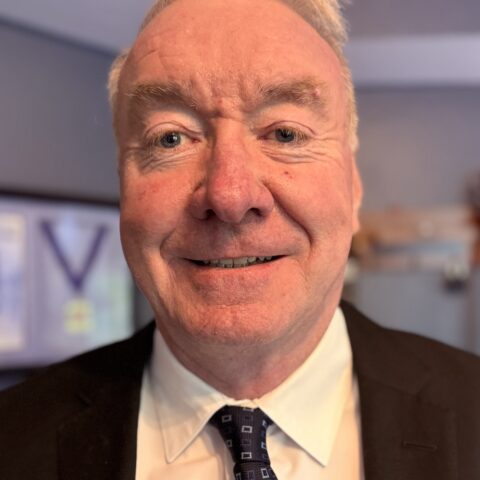
Led by Steve Kish, CEMI Implementation Manager, the Fall CEMI Town Hall occurred Wednesday, August 26, 2026. Read more about Steve’s background and his approach to helping universities successfully transform broadly used systems.
Watch the August 26, 2026 CEMI Town Hall recording, using your campus login:
- NetID Login (Ithaca-supported campuses): CEMI Town Hall August 2026 – Video on Demand
- CWID Login (Weill Cornell Medicine): CEMI Town Hall August 2026 – Panopto
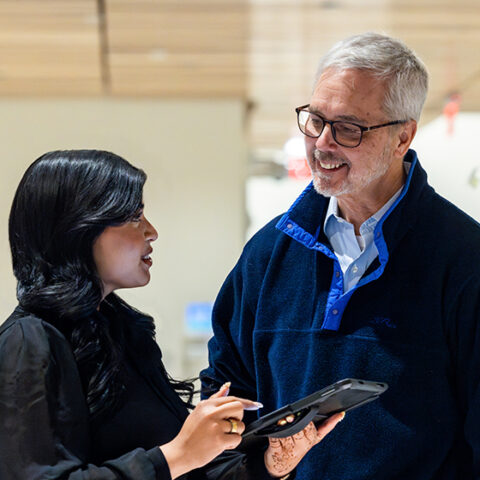
As the Cornell Experience Modernization Initiative (CEMI) works to modernize the university’s administrative systems, the CEMI Service Management team is helping service providers prepare for the changes ahead.
Service management provides shared practices that help administrative and technology teams deliver, support, and improve services over time. These services include many of the tools, processes, and support resources that students, faculty, and staff rely on every day.
Knowing that services such as those supporting human resources, finance, and technology rely on multiple teams working together, the CEMI Service Management team is looking across organizational boundaries to identify opportunities to improve coordination, reduce duplication, clarify responsibilities, and create a more consistent experience for the Cornell community.
“Many of the challenges our community experiences aren’t caused by a single system or organization,” said Alysia Villanti, Program Manager for Information Technology Service Management. “They occur when processes, technologies, and support models don’t connect seamlessly. This initiative gives us the opportunity to address those challenges together.”
Any Customer, Any Service, One Experience
At the center of the team’s work are the students, faculty, and staff who rely on Cornell services every day. By strengthening collaboration among service providers behind the scenes, the CEMI Service Management team aims to create a more seamless experience for students, faculty, and staff. Establishing shared approaches now will help ensure services remain reliable, consistent, and easier to navigate as changes are implemented.
In the near term, the CEMI Service Management team is focused on supporting the new Workday system coming in July 2028, including services related to human resources, finance, budget, and reporting. This work includes evaluating current practices and developing recommendations for decision-making structures, support models, data standards, and enabling technologies that can help organizations work more effectively together.
Over time, the lessons learned through these efforts will help establish a foundation for broader service management improvements across Cornell. The goal is to build on existing strengths while creating sustainable capabilities that can support future institutional priorities and evolving customer needs.
Any Cornell community member interested in learning more about service management is welcome to join the monthly meetings of the Service Management Special Interest Group. In the August 19 meeting, Laurie Hemmings is leading a discussion about knowledge management.

Understanding Epics in the DEEP Journey
As we progress toward our system go-live, our functional work streams are organized around Functional Epics.
In our project methodology, an Epic represents a major body of related capabilities and business processes being designed, configured, and tested within the new CRM platform. Rather than building the entire system all at once, breaking our work into dedicated Epics allows project teams and subject matter experts to focus deeply on specific operational functions—ensuring every workflow is built thoughtfully and tested thoroughly before launch. Each project team includes members from Ithaca AAD, including the Lab of Ornithology, Weill Cornell Medicine, and Huron.
Current Epic Progress Update
- Bio/Demo Epic (Well Underway): Development and design work for our foundational Bio/Demo Epic is making good progress and scheduled to conclude in early August. This work stream focuses on centralizing core referential person and organization data to ensure we maintain clean, reliable constituent records across all units.
- Campaigns Epic (Now Launched): Work on the Campaigns Epic has officially begun! In the context of our software implementation, “Campaigns” refers specifically to the technical setup, custom development, and system structures used to track, segment, and execute daily outreach and engagement initiatives. While some of these elements do feature in comprehensive fundraising campaigns, the focus of this epic is on the underlying CRM tools that help teams manage targeted appeals, communications, and digital outreach efforts effectively.
Looking Ahead
As functional teams dive into the details of the Campaigns Epic, we will continue to share updates, change impact details, and user readiness steps through our primary project channels.
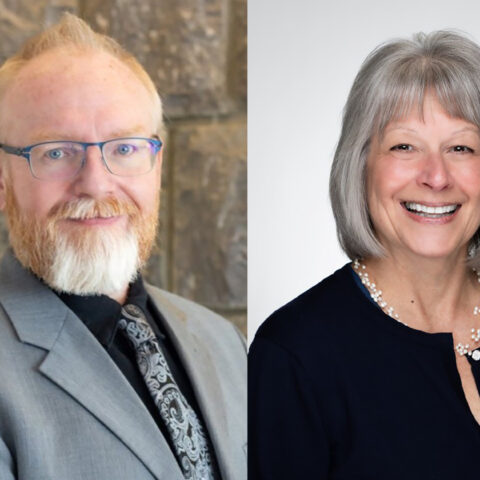
Several teams engaged in the Cornell Experience Modernization Initiative (CEMI) are making great progress in finalizing plans to overhaul our engagement and fundraising software systems across campuses. The Donor and Engagement Experience Project is focused on migrating Cornell’s myriad ecosystems to the selected Kindsight Ascend platform.
To support these efforts, Cornell has recruited its first university-wide Director of Development IT, Ernest Penland. Ernest will join us on September 1, and collaborate with leadership from Cornell’s Office of Alumni Affairs and Development, including the Lab of Ornithology, and Weill Cornell Medicine’s Office of External Affairs, to lead the technical side of our Kindsight solution and related systems. These groups will support DEEP as our new Development Information Technology team.

Additionally, after a long and distinguished career at Cornell, Debbi Kruszewski-Warner, Executive Director of Advancement Information Systems for Alumni Affairs, will be retiring on September 30. Debbi has been instrumental in launching the Donor and Engagement Experience Project in tandem with other CEMI projects and in helping guide the initiative from needs assessment through system selection and into the implementation phase. Before her departure from Cornell, Debbi will partner with Ernest and the team to transition the valuable work already in progress for the Donor and Engagement Experience Project.
About Ernest

Ernest Penland is a higher education technology leader with more than 25 years of experience in enterprise applications, development technology, enterprise resource planning (ERP) systems, and organizational leadership. Most recently, he served as Senior Director of Enterprise Applications at Virginia Tech, leading teams responsible for development and marketing technologies, learning platforms, geospatial systems, and other university-wide services.
Throughout his career, Ernest has focused on building strong partnerships between technology and business leaders, modernizing complex systems, and helping teams navigate organizational and technological change. He brings broad experience in enterprise platforms, service delivery, collaborative decision-making, and the leadership and development of high-performing teams.
Please join us in welcoming Ernest to Cornell. Follow the progress of the Donor and Engagement Experience and other CEMI projects at cemi.cornell.edu.

Curtis L. Cole, M.D.
Vice President and
Chief Global Information Officer
Cornell University

Fred Van Sickle
Vice President
Alumni Affairs and Development
Cornell University
Where are you coming from, in terms of your last organization and last major project?
The last project that I ran was for Iowa State University. I led a Workday Student implementation. It was one of the first Workday Student projects at a major institution in the United States, and I was there for about five years. Prior to that, I led a couple of system-wide initiatives in the state of Wisconsin for all the universities there, and also a few Workday-related projects.
Are you from the Midwest?
I live in Madison, Wisconsin, and have been here for about 10 years, but I grew up in Los Angeles. We came here years ago to be close to our son’s family and our grandchildren.
In the organizations where you’ve implemented a big change like this, you’ve probably seen some adapt better than others. What change management mindsets or practices did the more successful organizations adopt?
I tend to take a very practical approach to change management. The thing that I found is most effective is the most basic thing: You have to be willing to go and meet with people in person and hear about their experiences and reactions, and you have to be willing to make adjustments. For example, for the Iowa State project, after we went live, I spent my whole last year there going out and talking to deans and associate deans and department chairs and departments and end users about their experience with the system, and then patiently writing down everything that they said and then going back and making improvements and changes based on that.
We’re not going to get it 100% right on the day we turn the system on. So we’ve got to be prepared to continue to make improvements.
It sounds like listening is a huge component of successful implementation
Definitely. You have to go to their meetings and listen to people who are sometimes frustrated.
For the implementations you did at Iowa State and in Wisconsin, were the workforces remote at that point or were you still all in person?
They were mostly remote. One of the projects I did in Wisconsin was a statewide procurement project. We put in a new procurement system at all thirteen universities and we launched that project in May of 2020 and we went live in May of 2021, so we were in the middle of COVID. I didn’t meet a single person in person until after we went live. For that whole project, we were in shock. Organizational change didn’t even register because there was so much other change going on.
What are you here at Cornell to do, in your own words?
I’ve been doing these kind of projects at universities and academic medical centers for 35 years. I’m going to bring all those years of experience, all the lessons learned, the strategies that I’ve seen work, I’m going to try to implement them here. The approaches that haven’t worked, I’m going to make sure we avoid. We’re hopefully going to try to shortcut some of the typical mistakes that organizations make on an initiative like this.
What are some of the typical mistakes?
Underestimating the change impact. Being too ambitious out of the gate because you’re underestimating the change and how long it’s going to take for people to adopt the system. It’s really important that the CEMI program be viewed as an ongoing continuous improvement initiative. That approach allows you to narrow your focus for the implementation period, and to focus on something that’s achievable.
What excites you the most about this opportunity with CEMI and Cornell?
It’s an opportunity to impact people for decades. The decisions that we make and the systems we put in will impact people far in the future. There are students who haven’t been born yet who will be impacted by the work we do now.
What is your favorite part about doing this type of implementation work?
The challenge of these projects is immense. The thing that I enjoy the most, and the coolest part of it for me, is that there are always people who rise to the occasion and grow. The implementation phase of this project is an opportunity for people really to step up and grow. It’s wonderful to see that.
I attended one of the Workday ERP stakeholders meetings a couple of weeks ago, and everyone was giving kudos to other colleagues who had been doing very good work. It was really nice to hear, because you could tell people were, as you put it, rising to the occasion.
I think that expressing gratitude is hugely important for our team to grow and be successful. We need to provide space for that. It’s something I always incorporate into my projects. We want to reinforce good behavior, and thanking people is a way to build a high-performing culture. High-performing teams express gratitude.
What do you think will get better as a result of CEMI?
The biggest thing initially is that by getting everybody into the same system, the access to information and data will get better and easier for people. Particularly with a Workday implementation, once you get everybody into the same system across HR, finance, budget, and ultimately student, then you’ve got an amazing amount of information all in one place. And there’s a lot of power that comes from accessing that information.
What does a successful CEMI rollout look like to you?
It’s one where our initial objectives are about business continuity. We implement the system so that the business can function, and then we rapidly shift into that continuous improvement mode.
What do you think are the biggest challenges of CEMI for the Cornell community?
Sequencing the activity appropriately. Refining the scope of what we’re going to deploy initially versus what we’re going to get to over a period of time afterwards.
Do you have any summer travel planned?
Not this year. CEMI is going to dominate my agenda this year. But we’ve taken a couple of big trips recently. Last year my wife and I went to Antarctica, and the year before that we went to Africa.
What do you like to do in your spare time?
My wife and I compete in ballroom dancing. The one trip we are going to take is to a national competition in Las Vegas at the end of July.
That sounds fabulous, how long have you been dancing?
Three years now. We’ve been competing for two. Kind of a funny story – there was a national dance competition in Manhattan at the Marquis Times Square in March. And so I was doing one of my final interviews with Chris Cowen, who I report to, and I was actually down competing in the ballroom at the same time. I went up for my Zoom call, changed out of my dance clothes, did my interview, and then changed back and went back down and finished.
The Cornell interview obviously went well, how did you do in the competition?
Really well. Last year my wife and I were the number three ranked amateur couple in the country.
What book are you reading right now?
There are two. One is by a guy named Michael Singer, and it’s called Living Untethered. And the second one is called A New Earth by Eckhart Tolle. Either of these books will blow your mind.