
CEMI News & Momentum Stories

Each quarter, Curt Cole shares updates and answers questions about CEMI in a virtual Town Hall. His roles as Cornell’s Vice President and Chief Global Information Officer and one of CEMI’s executive sponsors enable him to share significant milestones and also explain how the progress is shaped by team leaders across the university as well as the dependencies and expected impact of each step forward.
Invitations to the virtual Town Halls are distributed to the CEMI Community approximately one month before each webinar. To be included in that group, go to the CEMI Contact Hub and choose “Join the Mailing List.”
Register for the next webinar, scheduled for Wednesday, August 26, 2026, at 9:00 Eastern Time.

As we work together to modernize and unify Cornell’s development and engagement technology across our campuses, understanding how you feel about this transformation is our top priority.
In May, we launched our first Readiness Pulse Check. This survey is designed to establish an early baseline of staff awareness, concerns, and preparedness. By administering these pulse checks quarterly, we will track trends, measure our progress, and adjust our change strategy based directly on your feedback.
Who We Heard From
Thank you to everyone who took the time to share their thoughts! We had fantastic engagement on this first check-in:
- 127 total respondents participated, representing an overall 29% response rate.
- The Breakdown: 106 respondents from Ithaca-based Alumni Affairs and Development (AAD), 11 from Weill Cornell Medicine (WCM), and 10 from the Lab of Ornithology.
- A Solid Foundation: The survey showed a very strong foundation—staff understand why CEMI-DEEP is happening and have high trust in leadership’s support for the initiative.
- The Clarity Gap: Because the majority of staff have not yet had hands-on exposure to the new system, our lowest scores were around understanding personal, day-to-day impact.
- Want to learn more? Here’s a detailed summary (pdf).
You Said, We Are Doing: Our Action Plan
Your feedback is driving our next steps. Over the next quarter, the CEMI-DEEP team is actively working to address your top priorities:
- Concrete Role Clarity: You asked to see how the system will actually affect your day-to-day work. We are prioritizing role-based views and day-in-the-life system demonstrations so the impact is concrete long before go-live.
- Protecting Staff Capacity: Balancing a project of this scale with a full workload is a major concern. Project leadership is working with unit leaders to establish clear capacity trade-offs, identify what work can be paused or deferred, and prioritize hiring and backfill support.
- Streamlining Communications: To prevent anyone from feeling out of the loop , we are leveraging our central website as a single source of truth and activating our newly launched Change Network.
Meet Your Change Network
The Change Network serves as a vital two-way bridge between your unit and the Core Change Team, ensuring your voice is represented and your unique needs are met.
If you have questions, feedback, or want to know more about what’s coming, please reach out to your designated Change Network leaders, pillar representatives, or area members:
Change Network Leadership
- Tracy Cary (AVP of Operations, Alumni Affairs and Development / DEEP Change Management Lead)
- Trish Davis (CEMI Cornell Wide Change Management Lead)
- Jeffrey Wat (DEEP Change Management Lead, Huron)
- Wes Reel (DEEP Change Manager)
Communications & Training Pillars
- Andrew Gossen (Communications Pillar)
- Scott Burroughs (Training Pillar Co-Lead)
Change Network Members
- Nicole Cook (Annual Giving – Ithaca AAD))
- Heather Wells (Alumni Affairs – Ithaca AAD)
- Angela Tracy (College/unit fundraising leader – Ithaca AAD)
- Casey Lucier (Events – Ithaca AAD)
- Adam Murtland (CMP – Ithaca AAD)
- Tyler Willcox (Data Strategy and Reporting – Ithaca AAD)
- Leigh Robert (Technology – Ithaca AAD)
- Maria Vallejo-Nguyen (Major Gifts – Ithaca AAD)
- Catie Fleming (Principal Gifts – Ithaca AAD)
- Denise Ward (Prospect Development – Ithaca AAD)
- Fran Farrell (MGA – Ithaca AAD)
- Brandon Thomas (Principal Gifts Associate – Ithaca AAD)
- Bobbi Smith (Advancement Services – Ithaca AAD)
- Brandy Hoover (Finance/Advancement Services/QA – Ithaca AAD)
- Anna Woods (Development Associate – WCM)
- Javier Pinto (Prospect Development – WCM)
- Emily Anderson (Principal Gifts – WCM)
- Jeff Stulgis (Finance – DFS/WCM)
- Liz Kinast (Gift Planning Admin & Stewardship – Lab of O)
- Jessica Cassidy (Membership and Annual Giving – Lab of O)

Welcoming a New Partner to the DEEP Team

The CEMI-DEEP project team welcomes Wes Reel as our new DEEP Change Manager. Wes will support DEEP, as well as other CEMI project initiatives, as we operationalize our Change Management Strategy, helping prepare, engage, and support staff across Ithaca AA&D, including the Cornell Lab of Ornithology, and Weill Cornell Medicine through our implementation of Kindsight Ascend.
Background and Expertise
Wes brings a diverse background in leading organizational change, digital innovation, and cultural readiness across higher education, franchise operations, and automotive industries. Most recently, he served as a Change Management Advisor at the University of Texas at San Antonio, where he led project initiatives, team workshops, training programs, and leadership consulting.
Operationalizing Our People-Centered Strategy
Wes believes that successful change requires building trust, creating clarity, and helping people move forward with confidence. As he steps into his role to bring the DEEP Change Management Strategy to life, his approach will focus on:
- Listening First: Serving as a trusted partner who asks meaningful questions to create practical, people-centered solutions.
- Mindful Adoption: Approaching every implementation milestone with intention and genuine consideration for the staff impacted.
- Bridging Experiences: Aligning overarching university goals with the day-to-day human experience of upcoming system changes.
Wes is eager to learn, build strong relationships, and make a positive impact across the Cornell community. Please join us in giving him a warm welcome!

Moving to a new system involves more than just changing software—it changes how we work together every day. The DEEP Change Management Strategy (pdf), which has been approved by the DEEP Executive Sponsors, is our roadmap for making sure staff have the guidance, training, and tools they need to embrace Kindsight Ascend on launch.
This strategy focuses on supporting our people. It is designed to:
- Show the Tangible Value: highlight how a shared system saves time—helping staff focus less on wrestling with manual workarounds and more on building meaningful relationship strategies.
- Keep Daily Operations Running Smoothly: provide practical, role-specific training sessions and post-launch troubleshooting teams to help minimize everyday disruption and manage workloads evenly.
- Respect Local Needs: Ground our work in the principle “As common as possible, as different as absolutely necessary.” This means creating shared processes where they make sense, while explicitly protecting the unique mission-critical or privacy guidelines (like Personal Health Information boundaries at WCM) specific teams rely on.
- Give Staff a Continuous Voice: Establish clear feedback channels so the core team can listen to real-world questions and adjust training resources dynamically as the project moves forward.
Our Core Change Enablement Pillars
To turn this strategy into reality, our change program relies on three functional pillars:
- The Change Network: A dedicated ambassador network consisting of peer representatives across Ithaca AA&D, including the Lab of Ornithology, and WCM. These members serve as vital local advocates, testing program messages and bringing localized feedback directly back to the core project team.
- Role-Aware Communications: We will provide clear, role-specific insights through predictable channels like our upcoming monthly newsletter, structured toolkits for managers, and training programs
- Continuous Organizational Readiness: Rather than evaluating readiness at the very end, we are building it into the implementation process. Using approaches like the quarterly Readiness Assessment pulse surveys we launched in May, we will actively track community sentiment and step in with custom support exactly where it’s needed most.
What’s Next and How to Engage
- Explore the Strategy: Detailed overviews of our North Stars, project governance, and stakeholder matrices are permanently archived right here on the DEEP Site.
- Connect with Your Champions: The DEEP Change Leaders are Trish Davis, Tracy Cary, and DEEP Change Manager Wes Reel. Within the next few weeks, we also will share the roster of Change Network members so that staff can find the designated OCM representatives for their areas.

The CEMI DEEP Initiative has reached another major milestone: the finalization of Key Performance Indicators (KPIs) (pdf) that define our path toward value realization in donor engagement and experience.
While there will be many ways in which the progress, performance, and benefits of DEEP will be quantified, these KPIs are a select set of high-level metrics aligned with the broader CEMI program’s categories and structure and focused on impact. They were developed by the Project Leadership Team, and approved by the Executive Sponsors, to align with the strategic goals of the initiative, measuring tangible impact using existing systems and data sources. The finalized KPIs will allow us to measure progress and clearly demonstrate meaningful outcomes in areas including fundraising, constituent engagement, and operational efficiency.
This milestone marks a pivotal step toward delivering measurable results and driving the success of the CEMI DEEP initiative. The team is eager to dive into the next phases of the project and will share updates along the way.
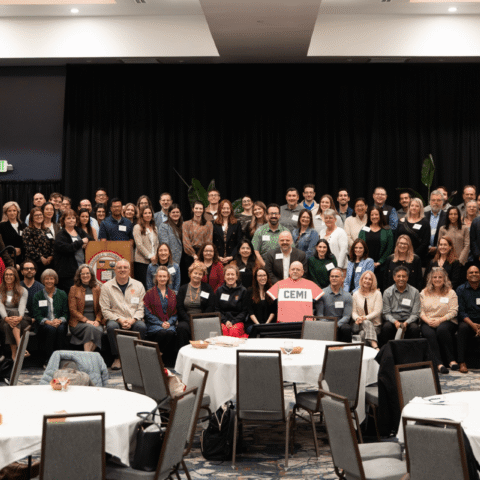
As CEMI-DEEP continues to move forward, we’d love to hear from you about how the project is progressing and ensure you have access to the latest information and resources.
🎉 Help Shape the Future of CEMI-DEEP
Your feedback is an important part of our change journey. We invite all colleagues to complete the new Readiness Assessment survey, designed to help us understand how our community is experiencing the project and where we can provide additional support.
The survey takes less than five minutes to complete and is the first of a series of planned quarterly check-ins.
Please complete the survey by end of business on Tuesday, June 9, 2026.
The assessment focuses on four key areas:
- Awareness & Preparedness – How well do you understand the upcoming tools and process changes?
- Identified Barriers – What are the potential risks or hurdles to adoption we should address early?
- Refining Our Strategy – How could communications, training, and change management activities better meet your needs?
- Support Enhancement – How can we address “readiness gaps” identified by the survey?
🎉 Project Team Completes HIPAA Privacy Onboarding Training
As part of our commitment to responsible data stewardship, members of the CEMI-DEEP project team recently completed mandatory HIPAA Privacy Onboarding Training in preparation for the implementation of Kindsight Ascend.
This training helps ensure that project team members understand the privacy requirements and responsibilities associated with working in environments that involve patient data at Weill Cornell Medicine and reinforces our commitment to maintaining the highest standards of data protection throughout the implementation process.
You can read more about this milestone here.
🔍 Explore the Updated Donor and Engagement Experience Project Website
We’ve also refreshed the DEEP website with additional information to help you stay informed and engaged throughout the project.
Highlights include:
- Project updates and announcements to keep you informed of major milestones and decisions.
- Project background and goals that explain how CEMI-DEEP supports Cornell’s broader modernization efforts.
- Resources and documentation to help colleagues understand project activities and upcoming changes.
- Opportunities to get involved and learn how community members can contribute to the project’s success.
- Professional development and learning opportunities that support readiness and change adoption across our community. These resources are designed to help colleagues build skills and confidence as we prepare for implementation.
⚙️ Why Your Participation Matters
CEMI-DEEP is more than a technology project—it’s an opportunity to improve how we engage with constituents and support fundraising efforts across AAD, inclusive of the Lab of Ornithology, Weill Cornell Medicine, and Cornell Tech. Your feedback helps us understand what’s working, identify areas for improvement, and ensure we’re providing the information and support our community needs.
Thank you for your continued engagement and partnership. We encourage you to take a few minutes to complete the survey and explore the updated website. Together, we’re building a stronger foundation for the future.
Best,
CEMI-DEEP Core Team

The CEMI-DEEP project team has launched its first Readiness Survey. This baseline pulse survey is designed to gauge how well-prepared and supported staff feel as the university prepares to transition to the new Kindsight Ascend system.
As the first of a planned series of quarterly touchpoints, this assessment will help the project’s implementation and change management teams tailor future resources. Specifically, the survey focuses on four key areas:
- Awareness & Preparedness: Understanding upcoming tools and process changes.
- Identified Barriers: Catching potential adoption risks or hurdles early so they can be actively addressed.
- Strategy Refinement: Shaping communications, training timelines, and change management activities to better meet staff needs.
- Support Enhancement: Providing targeted intervention where specific “readiness gaps” are identified.
Participation Details
- Time Commitment: The survey is designed to be brief and should take no more than five minutes to complete.
- Confidentiality: All responses are strictly confidential. While the survey asks for unit affiliation to ensure support resources are directed to the right teams, all individual data will be aggregated into high-level executive summaries only.
- Deadline: The survey will remain open until the end of business on Tuesday, June 9, 2026.
The survey is open to members of the External Affairs team at Weill Cornell Medicine, members of the Ithaca and Lab of Ornithology Alumni Affairs and Development teams, and selected other Cornell staff involved with the project. All eligible respondents have received an email containing the survey link.

Change, like the weather, is always with us. Recognizing your personal “forecast” can help you understand how change is showing up and point you to the right support.
Across Cornell, people are experiencing change in very different ways. Some are moving through fog. Others feel the pull of high tides or the sting of constant hail. And a few have found ways to adapt, working through steady stretches of clearer skies.
What’s Your Change Forecast?
Identify where you are right now and discover Cornell resources to support you where you are and help you move forward.
Feels Like Fog
You’re not stuck, you just can’t see far ahead. Priorities feel unclear or continue to shift. People ask questions you can’t fully answer. You may be guiding others while navigating your own uncertainty.
Try HR 2079 – Coaching Through the Fog. This session builds practical coaching skills and introduces a shared language to help people move forward, even without perfect clarity. These skills extend well beyond formal leadership roles and can strengthen conversations in any setting.
Feels Like High Tides
Change keeps rolling in. Just when you regain your footing, another wave arrives. Energy rises and falls, teams respond differently to the same changes, and fatigue begins to surface over time.
Try HR 2061 – Riding the Waves of Change. Learn to recognize the signs of change fatigue and build resilience for yourself and for the people around you.
Feels Like an Endless Winter
Everything is “fine,” but it doesn’t feel fine. Workloads stretch beyond sustainable levels, and small changes feel big simply because there are so many. The season lingers longer than expected and the tipping point feels close.
Try HR 2077 – I’m Fine, You’re Fine, Everything is Fine. Spot the signs before “fine” slips into “too much,” and learn how to reset expectations before burnout takes hold.
Feels Like Hail
Nothing is breaking, but everything is getting hit. Changes of all sizes continue to land, and you find yourself constantly adjusting, dodging, and recalibrating. Any sense of stability feels brief.
Try HR 2078 – Practical Strategies for Managing Constant Change. This course offers simple, actionable ways to stay grounded and effective, even during a steady barrage of change.
Feels Like Clear Skies
You’ve found your footing and are ready to help others do the same. You’re not just navigating change, you’re helping shape it. You translate uncertainty into action and support others along the way.
Try HR 2069 – Prosci: Leading Your Team Through Change and/or HR 2071 Prosci: Employee Orientation. Build a deeper understanding of how change works and how to guide people through it with confidence.
Moving Forward, Regardless of the Forecast
Change doesn’t hit everyone the same way. Like the weather, it doesn’t stay the same forever.
The key is recognizing where you are right now—and taking the next step that fits your individual change forecast.
Explore more learning opportunities:
- Ithaca – Workday Learning
- Weill Cornell Medicine – email workshop-info@cornell.edu
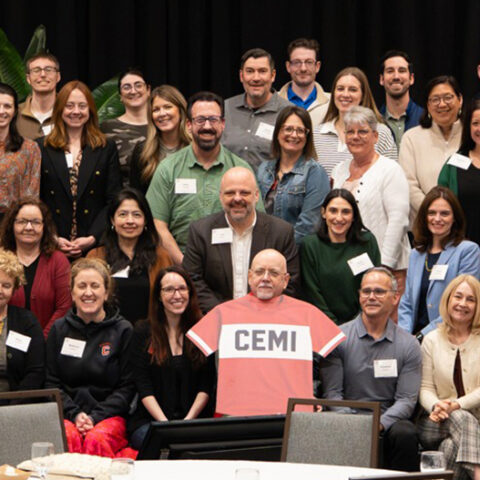
As we push forward with implementation, maintaining data security and regulatory compliance is a top priority. Today, members of the CEMI-DEEP project team attended a mandatory HIPAA Privacy Onboarding Training to ensure the highest standards of data stewardship during the implementation of Kindsight Ascend.
The session was led by Maria Joseph, Chief Compliance and Privacy Officer at Weill Cornell Medicine. Joseph provided attendees with a comprehensive overview of the risks and obligations associated with accessing Protected Health Information (PHI) and Personally Identifiable Information (PII) during complex enterprise integration projects.
“Compliance and privacy are shared responsibilities,” Joseph underscored during the session, adding that protecting donor and patient trust is paramount.
Why This Matters for the CEMI Implementation
Integrating data into new, powerful systems like Kindsight Ascend requires handling a vast array of confidential information. While we build robust, permanent controls into these new systems, project team members may have transient or incidental access to sensitive data. CEMI-DEEP includes PHI regulated by HIPAA, a federal law designed to safeguard confidential healthcare records and prevent unauthorized access or sharing without patient consent.
Key Takeaways from the Training
The onboarding session equipped the team with the necessary tools and knowledge to mitigate risks effectively. Key topics covered included:
- Data Handling & Minimal Necessary Requirements: Understanding how to appropriately handle PHI/PII and limiting data access strictly to what is required for the task.
- Risk Mitigation: Identifying enterprise-wide operational data commingling risks and understanding the audits and controls in place to prevent them.
- Security Expectations & Workforce Responsibilities: Aligning on confidentiality expectations within shared HIPAA environments.
- Incident Response: Clarifying strict protocols for incident reporting and breach obligations.
As the implementation process continues, every team member is expected to approach their data stewardship responsibilities with the utmost care, sensitivity, and diligence. Thank you to the CEMI-DEEP team for making this critical training a priority and ensuring our new CRM environment remains secure and compliant.

As community members continue to navigate transitions across the university, the Focus on Change series can be used as a resource supporting reflection, learning, and conversation about these adjustments.
The previous story—”How to Prepare for Change“— shows how preparation can serve as an anchor, providing steadiness as change continues to unfold. This month’s article, Change Fatigue, explores the ways in which constant change can lead to exhaustion, and how to manage the human cost of change.
Tired of change
These days, change in our lives and work organizations is continuous, often with multiple change events occurring simultaneously. While it’s often unavoidable, this amount of change can be exhausting. The human cost of constant change is referred to as “change fatigue.”
Change fatigue is a serious organizational risk. Employees experiencing change fatigue become less engaged and less productive, which can undermine project success. This makes it crucially important that organizational leaders can recognize change fatigue in their staff, and learn how to energize their teams.
How to recognize change fatigue
Does your typically perky colleague look more tired than usual? Is your otherwise stoic staff member complaining that they’re overwhelmed? Has an employee who is normally chatty and invested grown quiet and indifferent to a project’s success? These are all signs of change fatigue.
Strategies that build team change resilience
Once you recognize change fatigue in your staff, here are some initial steps you can take to address it:
- Reassess projects. While your organization is managing through chaos, are there certain projects that can be delayed or reimagined? Find those and realign resources and timelines. This helps ease the burden of change facing your employees.
- Ask your team how they’re doing. You can do this in person, or send a survey asking how your people are experiencing the current change. Use the data you collect to help improve management of projects, and pay attention to resource allocation. Make sure team members who are experiencing change fatigue are assigned a reasonable schedule and have the tools they need to be successful.
- Share stress management techniques with the team. Check out the Organizational Change Management web page for resources on managing change. Cornell University also offers several change workshops and discuss groups, including:
- Steadying Ourselves Together in Uncertain Times: Supportive space for faculty and staff to navigate complex emotions together. 12pm-1pm via Zoom.
- Supporting your Team through Staffing Changes: Monthly discussion groups. 12pm-1pm via Zoom.
Change as the rule, but not the ruler
Author Denis Waitley said, “You must welcome change as the rule, but not your ruler.” Change in life and work is inevitable, but external chaos does not have to dominate your inner world. Rest and recalibration are vital for managing change effectively. Chaotic times don’t often hand us space to rest, which means you must be bold in seizing it for yourself and your team by being aware of change fatigue, and knowing how to build your team’s resilience.
How to talk about change fatigue
Watch this video on Change Fatigue, and discuss the questions below with your team:
- What signs of change fatigue do you recognize in yourself or others?
- Are there specific changes that have felt especially exhausting or difficult?
- What strategies from the video seemed helpful or realistic?
- How can we create space for rest, reflection, or stability in our team?
Learn more
Additional resources related to navigating change are available through:
Previous Focus on Change feature: “How to prepare for Change”