
About
The Cornell Experience Modernization Initiative (CEMI) will unify and improve the university’s systems and processes to better serve our entire community—faculty, researchers, clinicians, students, staff, alumni, partners, and donors. By creating more efficient and user-friendly experiences, CEMI will enable our community members to focus on what matters most: advancing Cornell’s mission.
CEMI Goals
Here’s what CEMI aims to accomplish:
- Administrative excellence in service of Cornell’s mission: Administrative processes and technologies should enable Cornell’s mission of teaching, research, outreach, and patient care.
- A more seamless Cornell experience: Connected systems, processes, and policies create a more seamless and consistent experience for students, faculty, staff, alumni, donors, and clinicians.
- Empowering decisions with trusted data: Trusted, accessible data and reporting empower informed decisions, increase transparency, and support mission-focused operations.
- Reliable and sustainable foundations: Supported, resilient technology foundations reduce risk, strengthen reliability, and enable future innovation.
- Expanding capacity with automation and AI: Automation and AI help reduce manual effort, streamline work, and expand capacity across Cornell.
- Stewarding resources for greater impact: Operational efficiency and strategic investments enable Cornell to direct more resources toward its highest priorities and greatest impact.
- Strengthening institutional governance and reducing risk: Processes and technologies should enable effective governance, consistent controls, regulatory compliance, and proactive risk management across financial, operational, cybersecurity, and compliance domains.
The Solutions
To meet our goals, CEMI is building a unified, modern administrative ecosystem that reduces complexity, improves consistency, and enables better decision-making across Cornell’s global campuses.
By consolidating platforms and integrating systems, CEMI will eliminate redundant work, lower costs, and free teams from time-consuming manual processes and workarounds. These efforts will create a more connected and efficient experience for the Cornell community—streamlining workflows, improving access to reliable data, and making it easier to collaborate across campuses. Just as importantly, this approach allows Cornell to shift investment away from maintaining aging, fragmented systems and toward innovative, future-ready technologies.
Similar goals guide each phase of the new ecosystem’s development: improving the way Cornell community members utilize these broad systems to accomplish their daily responsibilities.
These improvements include:
- Streamlined workflows
- Standardized processes
- Simplified reporting
- Real-time access to reliable data
- Easier collaboration across campuses
CEMI’s solutions will focus on:






Continuous Improvement
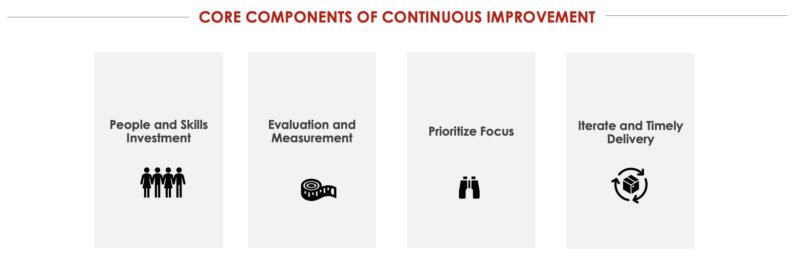
Because technology, regulations, and institutional needs will continue to evolve after implementation, CEMI is adopting a continuous improvement approach.
Meaningful transformation does not happen through a single technology implementation. It happens through continual collaboration across campuses, colleges, and units as teams work together to design processes and solutions that serve the entire university.
CEMI leaders view this as a culture of “iterate and deliver,” where ongoing enhancements and growing organizational capability are expected parts of the journey.
The Issues
In the early days of CEMI, leaders across Cornell identified four critical challenges, known as the “4 Ds” — debt, duplication, distribution, and data:
- Debt: Our aging systems require significant upgrades and maintenance, creating a burden of “technical debt” that grows more costly over time.
- Duplication: We maintain multiple systems that perform similar functions, like Kuali and SAP for financial operations, SuccessFactors and Workday for HR functions.
- Distribution: Cornell’s distributed nature is a strength, but has led to wide variations over time that would work more efficiently with common functions across teaching, learning, research, and administrative operations.
- Data: The lack of unified data and data definitions across systems hinders our efficiency and effectiveness in decision-making.